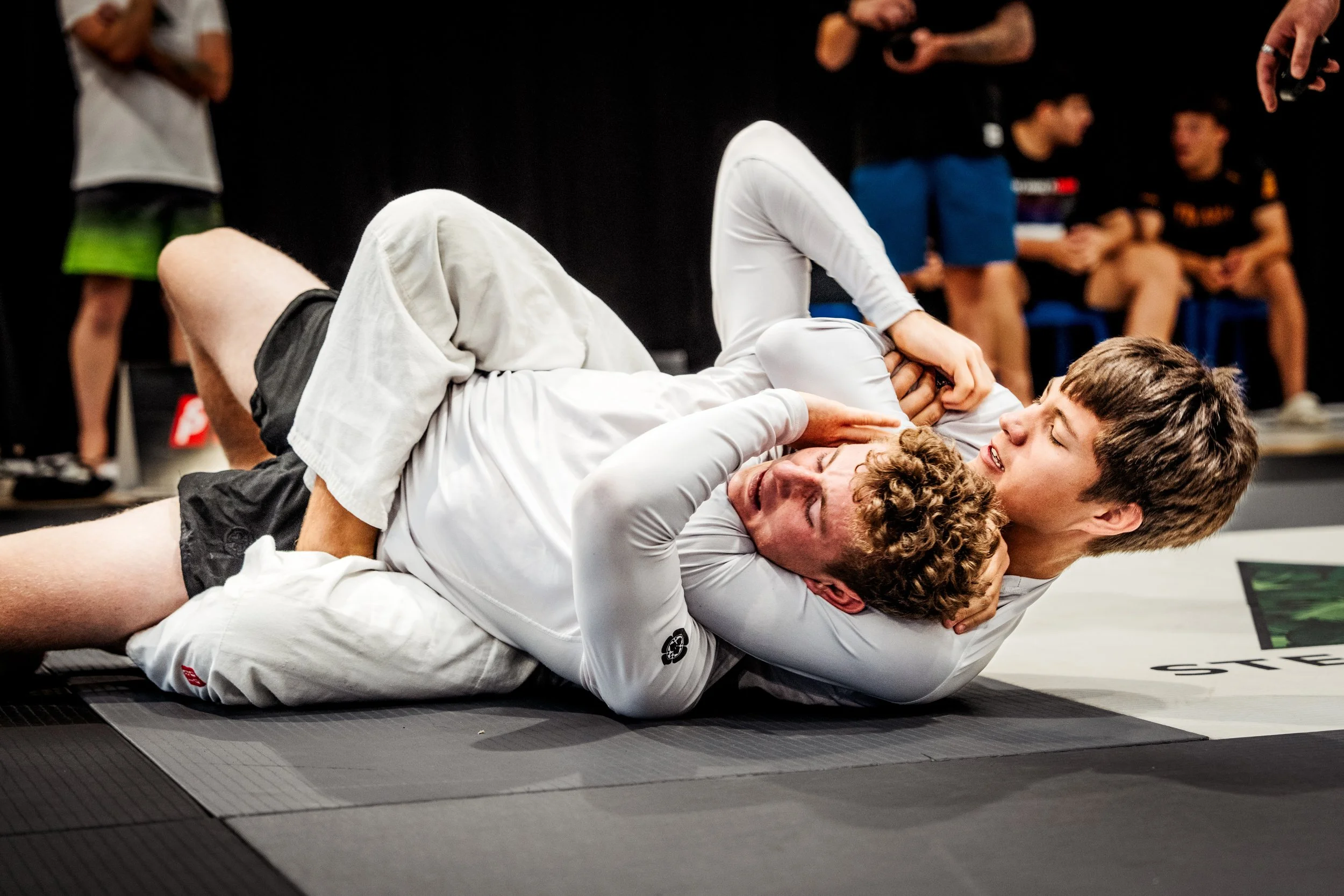
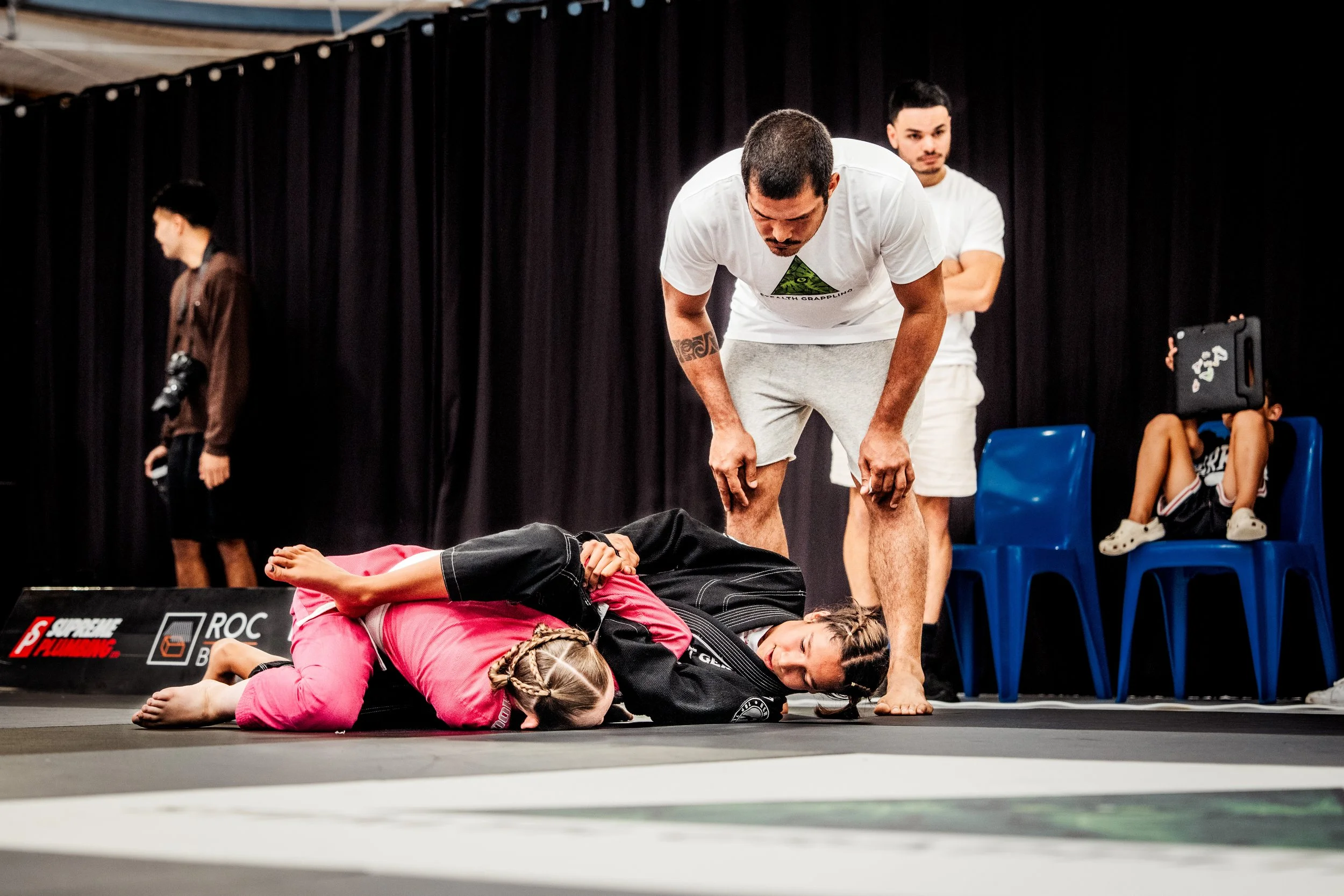
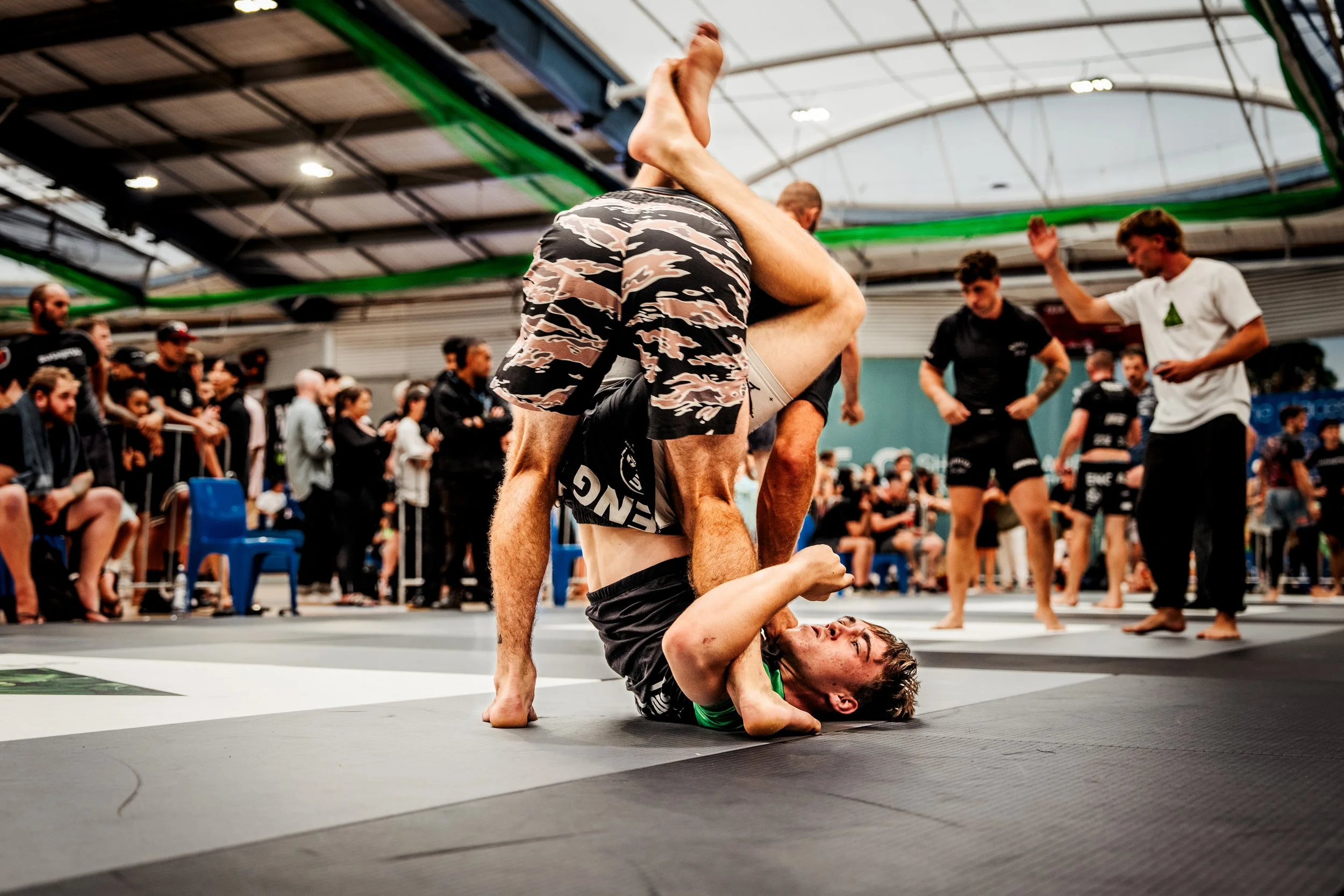
Jiu-jitsu scaled because it was structured like a competitive game.
Jiu-Jitsu Didn’t Spread by Accident
It Spread Because It Was Measurable
For decades, martial arts struggled with a quiet problem.
They promised transformation.
They promised discipline.
They promised confidence.
But they rarely proved anything.
Then jiu-jitsu did something different.
It turned fighting into a game.
Not a fantasy.
Not a philosophy alone.
A structured, scored, ranked, time-bound game.
And that changed everything.
The Moment Jiu-Jitsu Became Trackable
When the International Brazilian Jiu-Jitsu Federation standardised rules, weight classes, belt divisions, and world championships, jiu-jitsu became scalable.
It created:
Points systems
Advantages
Referees
Time limits
Ranking structures
Progress was no longer mystical.
It was measurable.
Then came the Ultimate Fighting Championship, which showed the world that grappling could neutralize striking. Jiu-jitsu wasn’t just a cultural tradition — it worked under pressure.
The ADCC World Championship elevated no-gi into a global spectacle of elite performance.
The Abu Dhabi Jiu-Jitsu Pro created an international competitive circuit with prize money and legitimacy.
This wasn’t accidental growth.
This was gamification.
And gamification builds ecosystems.
The Hidden Advantage: It’s Combative — But Forgiving
Unlike boxing or full-contact striking arts, jiu-jitsu wins primarily by control and submission.
You tap.
The match stops.
There is very little incentive to accumulate brain trauma.
Yes, injuries exist.
Yes, competition carries risk.
But compared to sports built on concussive damage, jiu-jitsu offers something rare:
Real combat pressure without constant head trauma.
That matters.
It’s why parents allow their children to compete.
It’s why adult professionals with careers can train seriously.
It’s why longevity is possible.
A combat sport that doesn’t require long-term neurological sacrifice is scalable.
And scalability fuels growth.
Competition Created Demand — Not the Other Way Around
Let’s be honest about something many gym owners avoid saying out loud:
Academies grew because of competition.
Not because of kata.
Not because of tradition.
Not because of motivational speeches.
Because people wanted to test themselves.
Even the hobbyist who says, “I’m not a competitor,” still trains under the psychological comfort of knowing:
“If I had to, I could step on that mat.”
Competition created:
Preparation cycles
Team identity
Travel and shared hardship
Podium photos
Social proof
Reputation
When a student wins, enrollment rises.
When an academy produces champions, credibility skyrockets.
Remove competition, and you remove the engine that created visibility in the first place.
The Hard Truth for Academy Owners
Here is where this becomes uncomfortable.
Many academies today are drifting into pure recreation.
“Jiu-jitsu is for everyone.”
That phrase is noble — but incomplete.
Because jiu-jitsu became global precisely because it was not soft.
It was ranked.
It was tested.
It was stressful.
It had winners and losers.
When gyms completely detach from competition, three things quietly happen:
Standards soften
Intensity drops
Serious students leave
You don’t need every student to compete.
But you absolutely need a culture built on competitive integrity.
If your room does not produce athletes who can perform under pressure, you are no longer participating in the mechanism that built this art.
You are preserving a watered-down version of it.
“But My Students Just Want to Have Fun.”
Of course they do.
And they should.
But fun without structure becomes stagnation.
Progress without pressure becomes an illusion.
The brilliance of jiu-jitsu is that it gamified self-improvement.
White belt → Blue belt
Local tournament → National stage
Survive → Score → Submit
There is always a ladder.
Humans are wired for ladders.
Even the accountant, who trains twice a week, wants to know:
“Am I better than I was six months ago?”
Competition is simply the clearest mirror of that question.
Gamification Was the Masterstroke
Traditional martial arts often kept progress subjective.



Jiu-jitsu made it undeniable.
You either:
Passed the guard
Held mount
Escaped
Submitted
Or didn’t
The rules created clarity.
Clarity created motivation.
Motivation created retention.
Retention built academies.
It is not romantic — but it is real.
Jiu-jitsu succeeded because it solved the retention problem through measurable challenge.
What Happens If We Forget This?
If academies drift entirely into:
Casual rolling
No performance benchmarks
No competition cycles
No external testing
The art stagnates locally.
Students plateau faster.
Ambitious athletes leave for rooms with sharper standards.
And eventually, the gym becomes a social club rather than a developmental environment.
There is nothing wrong with community.
But a community without excellence is fragile.
Excellence without community is harsh.
Jiu-jitsu thrived because it balanced both.
The 20% That Elevates the 100%
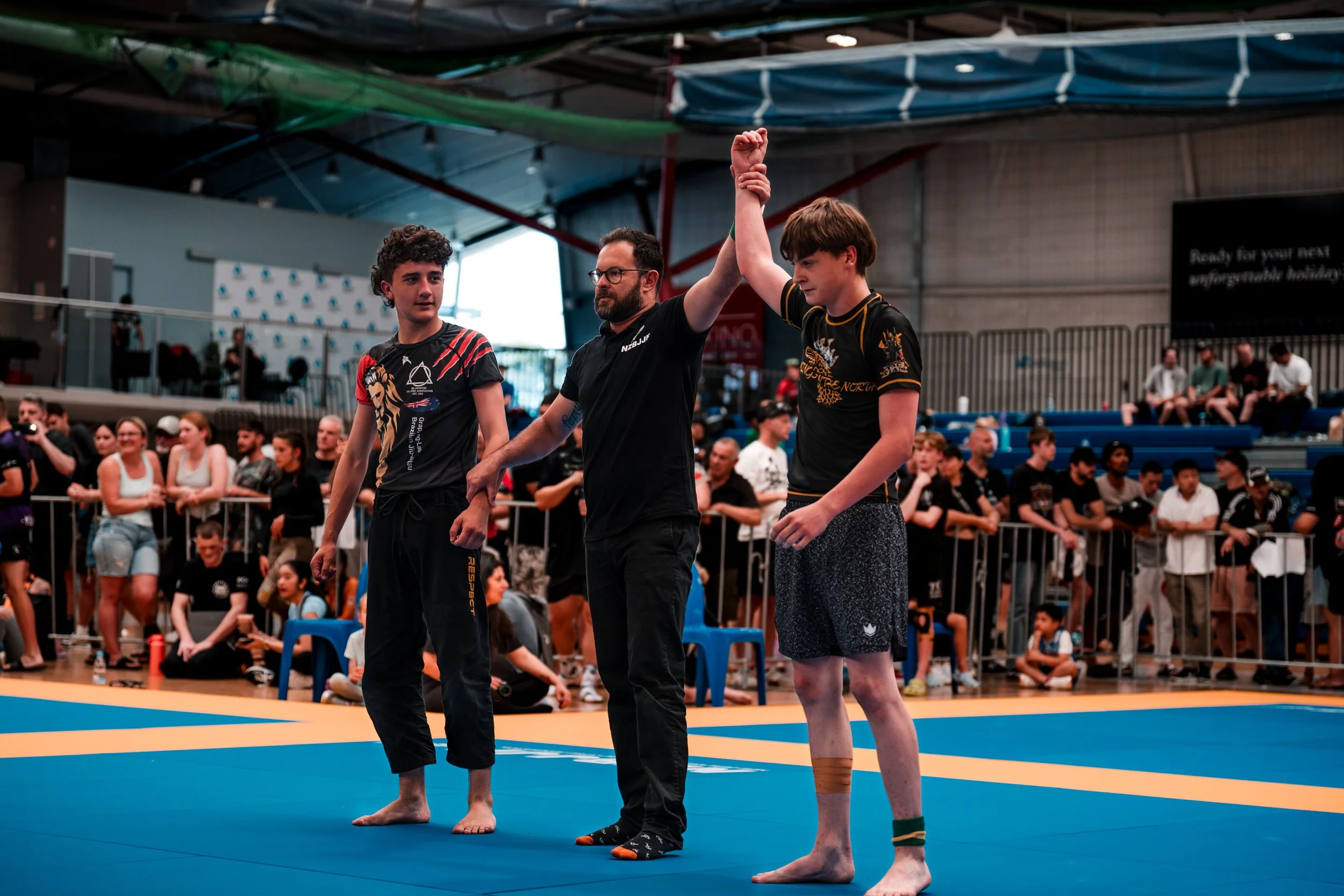
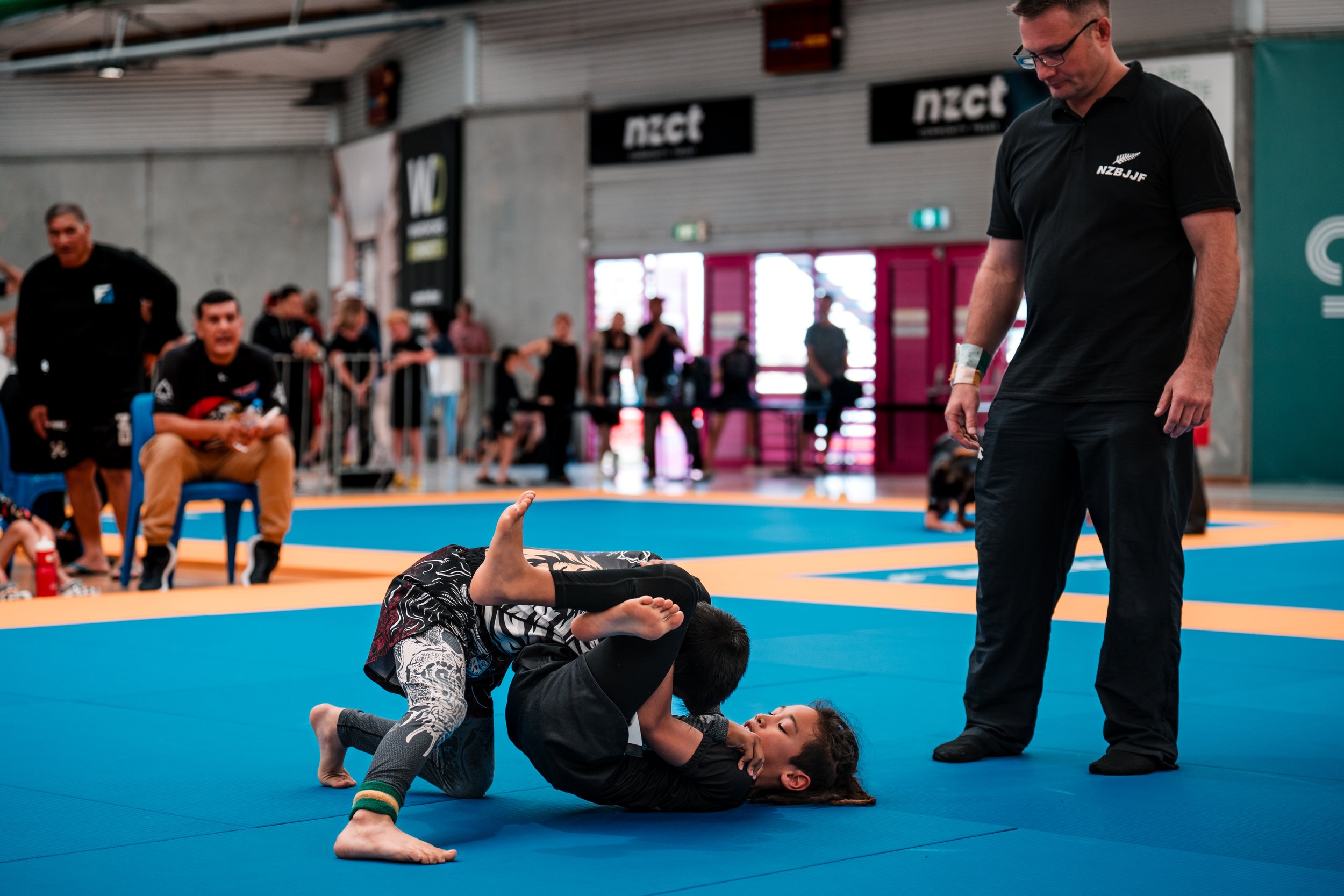
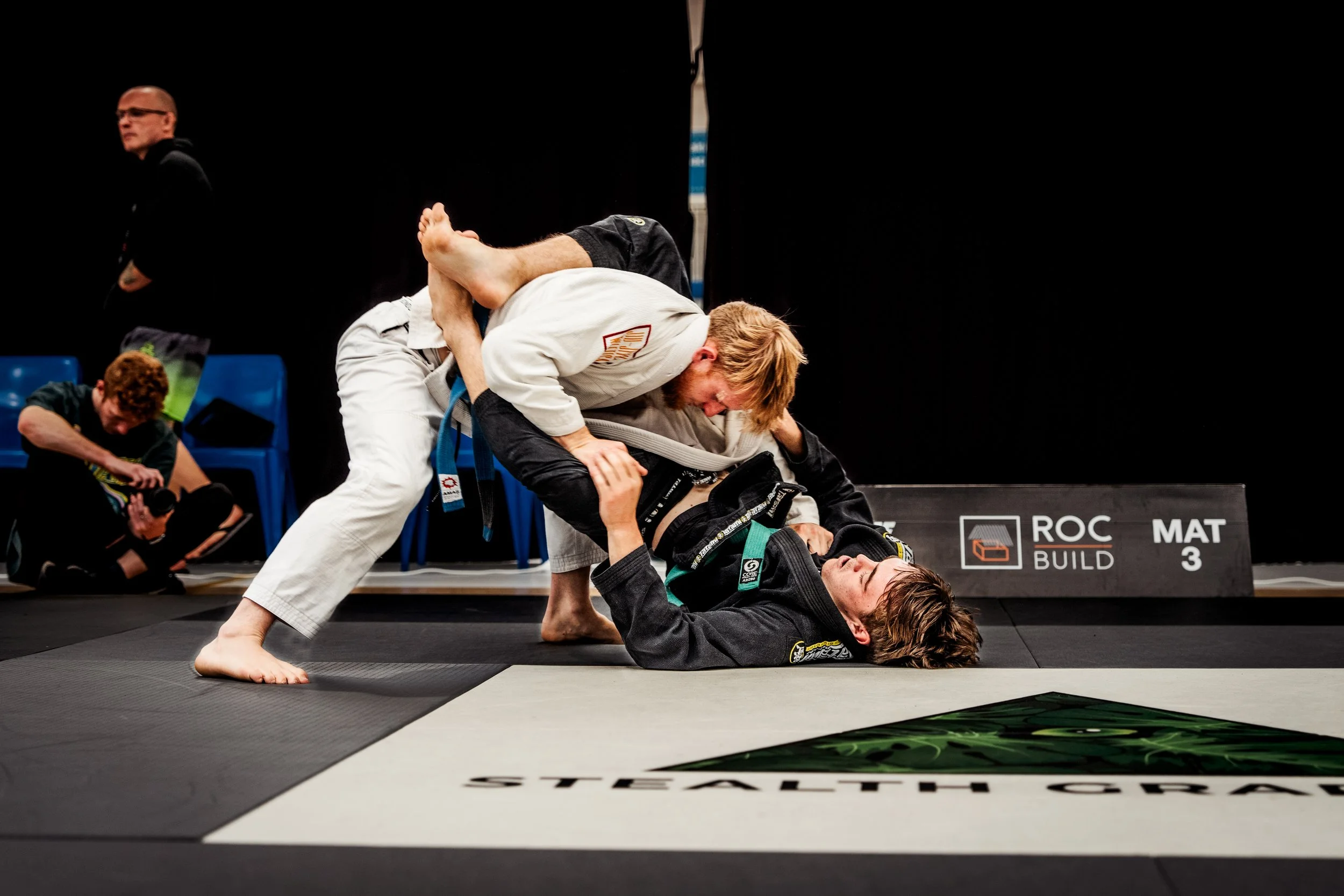
In most academies, only 10–20% of students compete seriously.
But 100% of the room benefits from that culture.
Competitors:
Raise technical pace
Increase drilling precision
Demand sharper coaching
Create visible standards
They force the room upward.
If you eliminate that layer entirely, the room slowly calibrates downward.
This isn’t an insult.
It’s physics.
Competition as Integrity
Competition isn’t about ego.
It’s about honesty.
You cannot fake a match.
You cannot talk your way through a bracket.
You cannot Instagram your way onto a podium.
Competition removes narrative and reveals reality.
That honesty is what gave jiu-jitsu credibility.
Without that credibility, it would have remained just another martial art claiming effectiveness.
A Provocation to Academy Owners
If your academy does not prepare students for competition — even if only a few choose it — ask yourself:
What standard are you anchoring to?
If there is no external test, improvement becomes an internal opinion.
If there is no performance cycle, urgency disappears.
If there is no measurable outcome, motivation softens.
You do not need to turn every child into a world champion.
But you must protect the culture that made world champions possible.
Because that same culture:
Builds resilience
Encourages discipline
Teaches loss
Rewards effort
Clarifies progress
Remove competition entirely, and you remove friction.
Remove friction, and growth slows.
The Real Conclusion
Jiu-jitsu did not spread because it was mystical.
It spread because it was tested.
It did not grow because it was ancient.
It grew because it was measured.
It did not scale because it was safe.
It scaled because it was challenging — yet sustainable.
Competition built the ladder.
The ladder built ambition.
Ambition built academies.
Academy owners who dismiss competition as an optional decoration misunderstand the mechanism that built the industry they now benefit from.
You do not need everyone to compete.
But you need a culture that makes competition real, accessible, and respected.
Because the moment jiu-jitsu stops being measurable,
It stops being magnetic.